Website of infos about CANADA
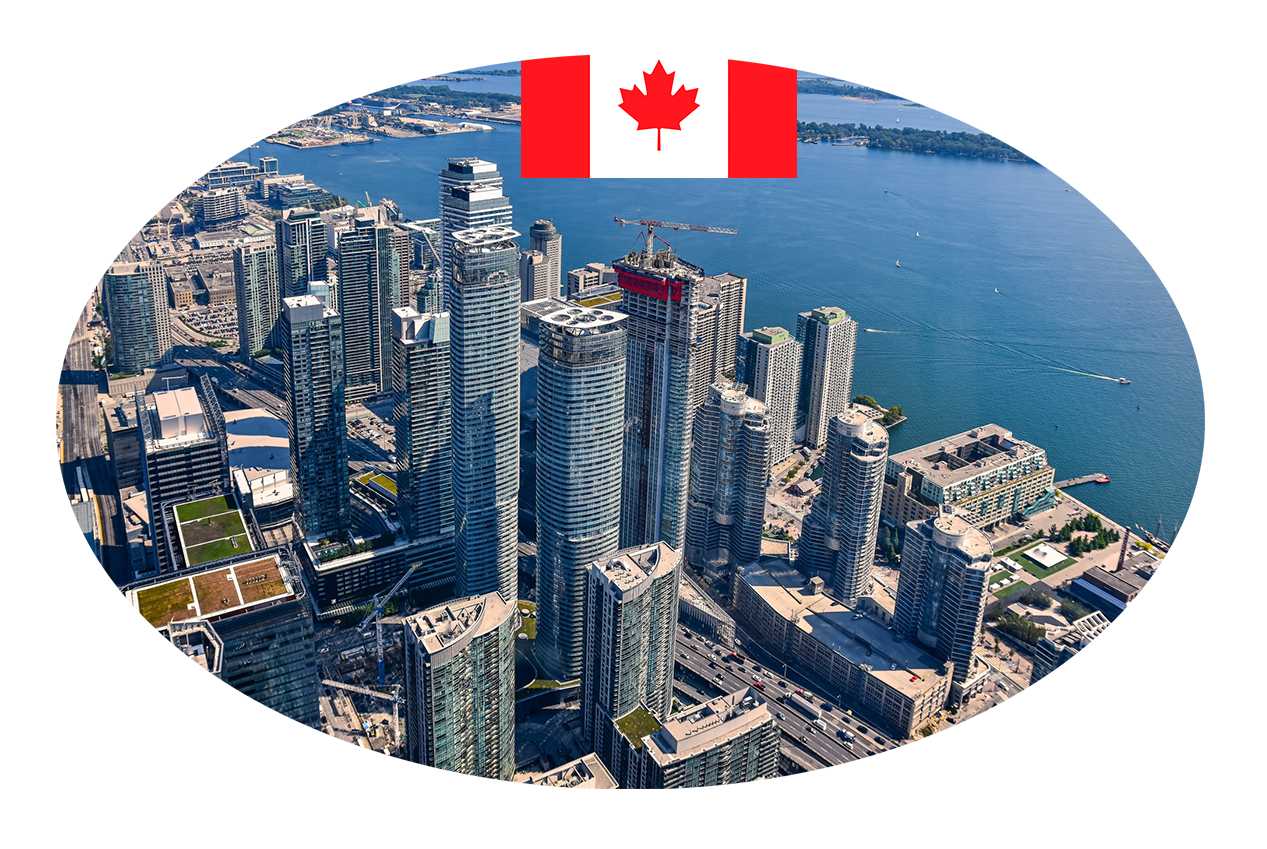

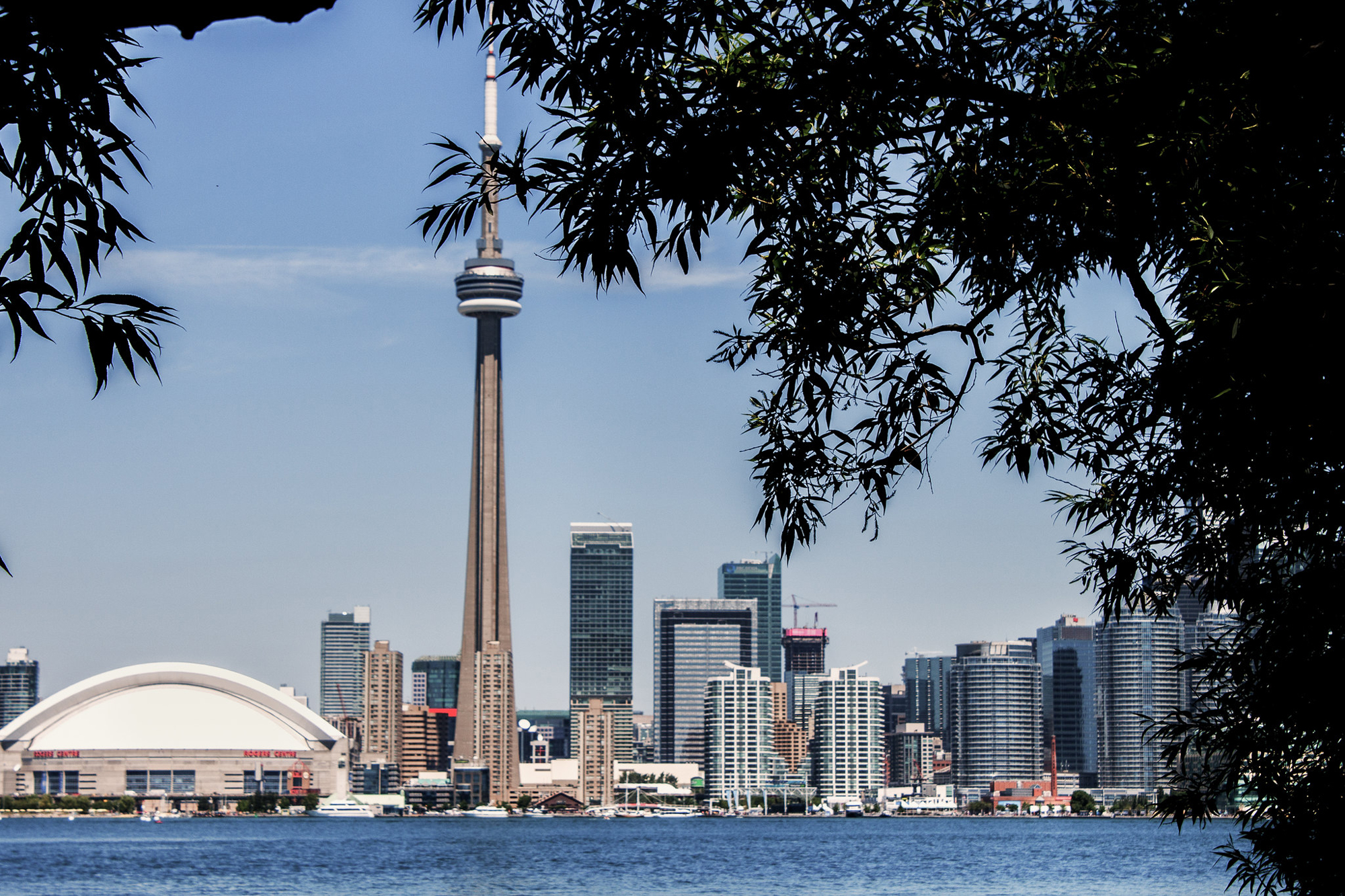
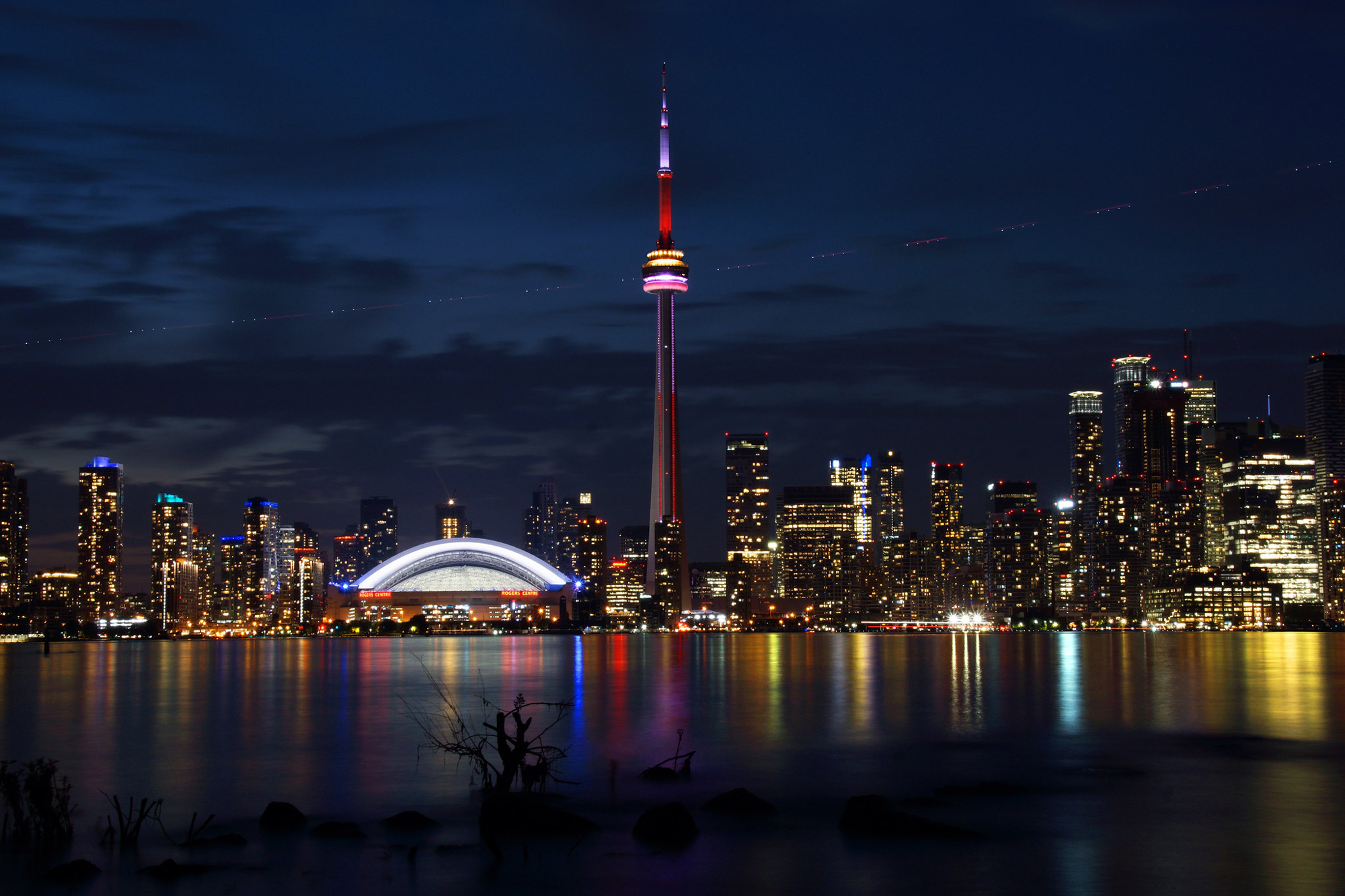
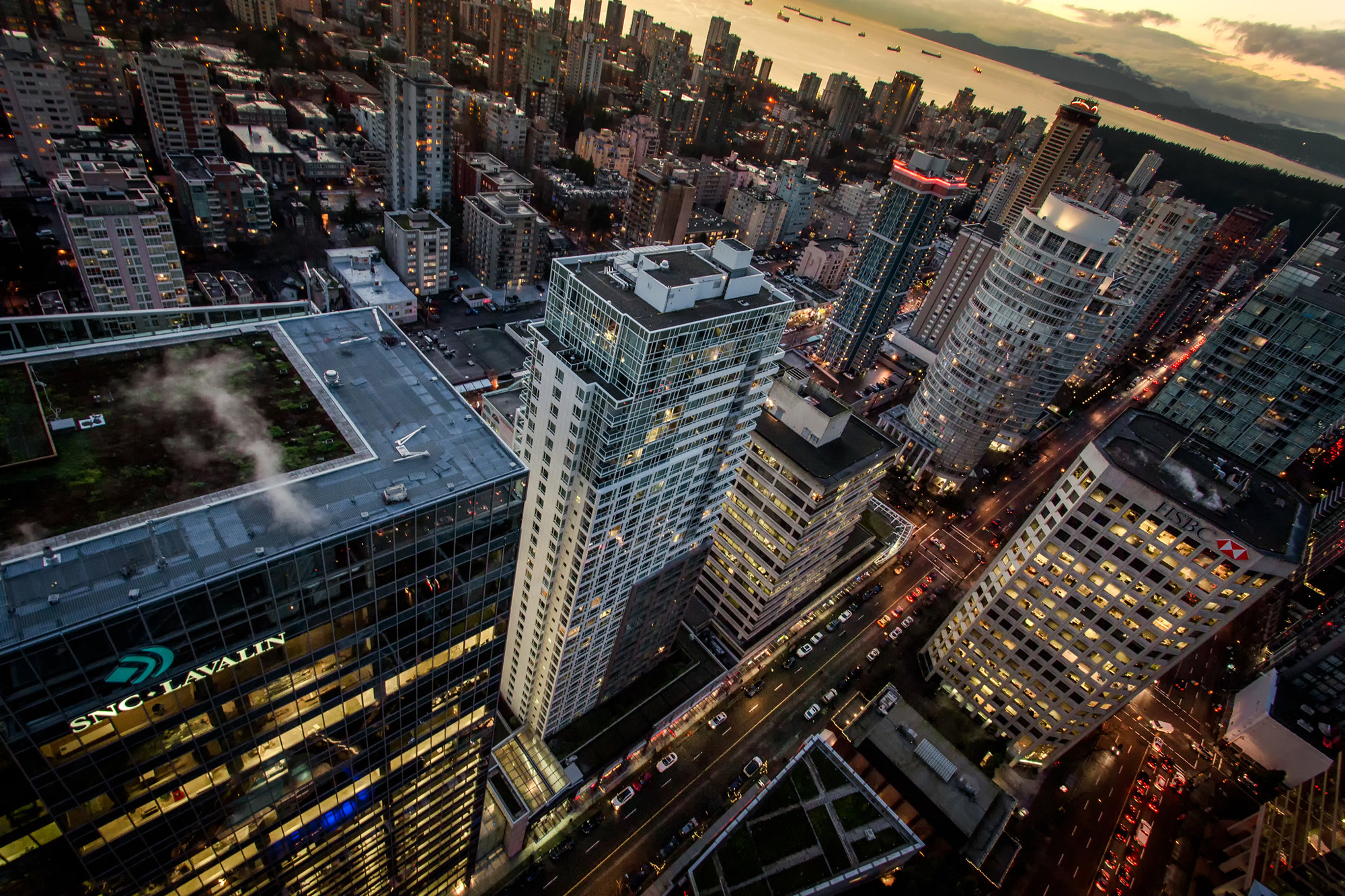
Canada is a country in North America. Its ten provinces and three territories extend from the Atlantic Ocean to the Pacific Ocean and northward into the Arctic Ocean, making it the world's second-largest country by total area, with the world's longest coastline. Its border with the United States is the world's longest international land border. The country is characterized by a wide range of both meteorologic and geological regions. It is a sparsely inhabited country of 40 million people, the vast majority residing south of the 55th parallel in urban areas. Canada's capital is Ottawa and its three largest metropolitan areas are Toronto, Montreal, and Vancouver.
Indigenous peoples have continuously inhabited what is now Canada for thousands of years Beginning in the 16th century, British and French expeditions explored and later settled along the Atlantic coast. As a consequence of various armed conflicts, France ceded nearly all of its colonies in North America in 1763. In 1867, with the union of three British North American colonies through Confederation, Canada was formed as a federal dominion of four provinces. This began an accretion of provinces and territories and a process of increasing autonomy from the United Kingdom, highlighted by the Statute of Westminster, 1931, and culminating in the Canada Act 1982, which severed the vestiges of legal dependence on the Parliament of the United Kingdom.
Canada is a parliamentary democracy and a constitutional monarchy in the Westminster tradition. The country's head of government is the prime minister, who holds office by virtue of their ability to command the confidence of the elected House of Commons and is "called upon" by the governor general, representing the monarch of Canada, the head of state. The country is a Commonwealth realm and is officially bilingual (English and French) in the federal jurisdiction. It is very highly ranked in international measurements of government transparency, quality of life, economic competitiveness, innovation, education and gender equality. It is one of the world's most ethnically diverse and multicultural nations, the product of large-scale immigration. Canada's long and complex relationship with the United States has had a significant impact on its history, economy, and culture.
A developed country, Canada has a high nominal per capita income globally and its advanced economy ranks among the largest in the world, relying chiefly upon its abundant natural resources and well-developed international trade networks. Canada is recognized as a middle power for its role in international affairs, with a tendency to pursue multilateral and international solutions. Canada's peacekeeping role during the 20th century has had a significant influence on its global image. Canada is part of multiple international organizations and forums.
- by wikipedia

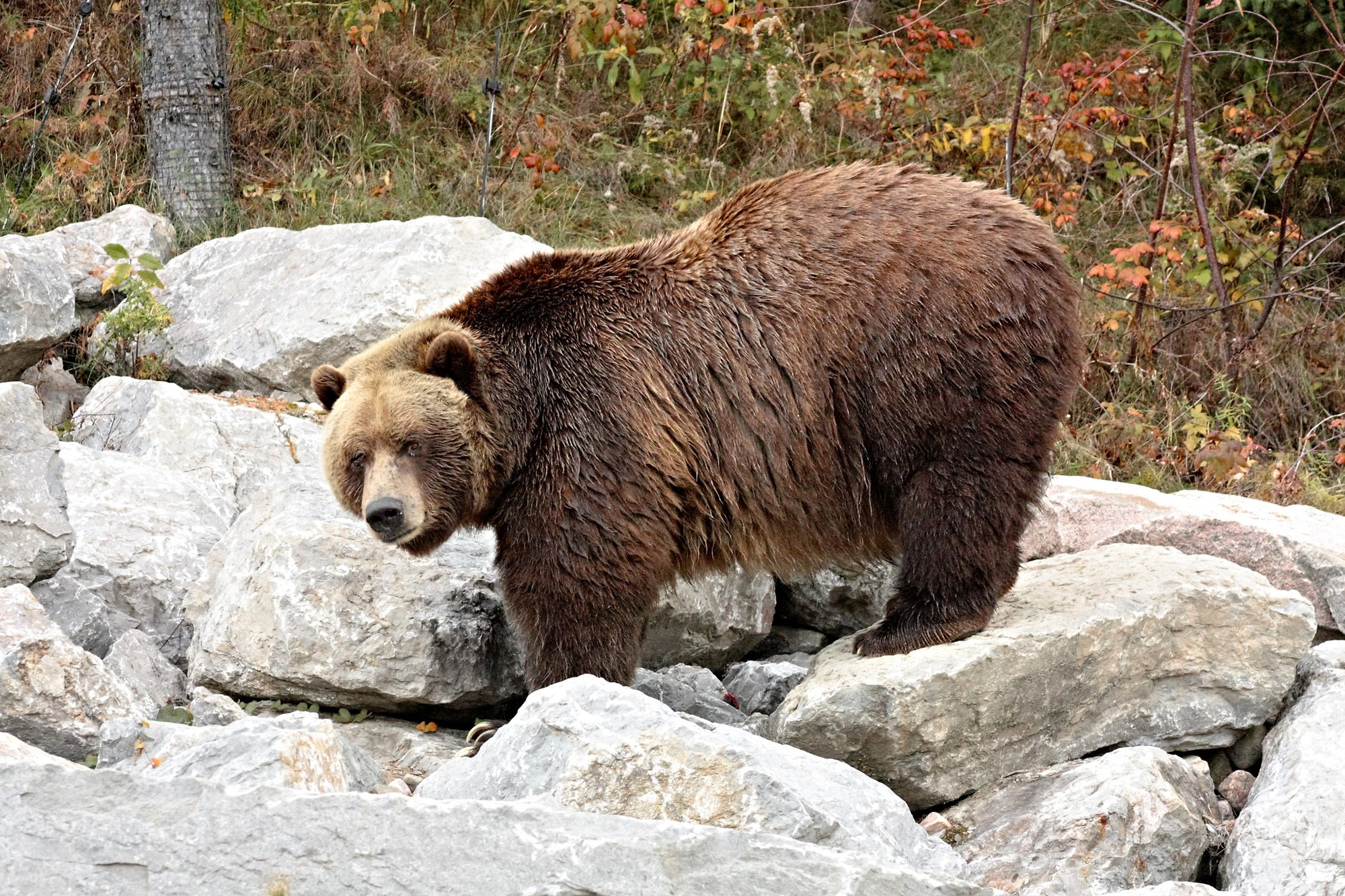
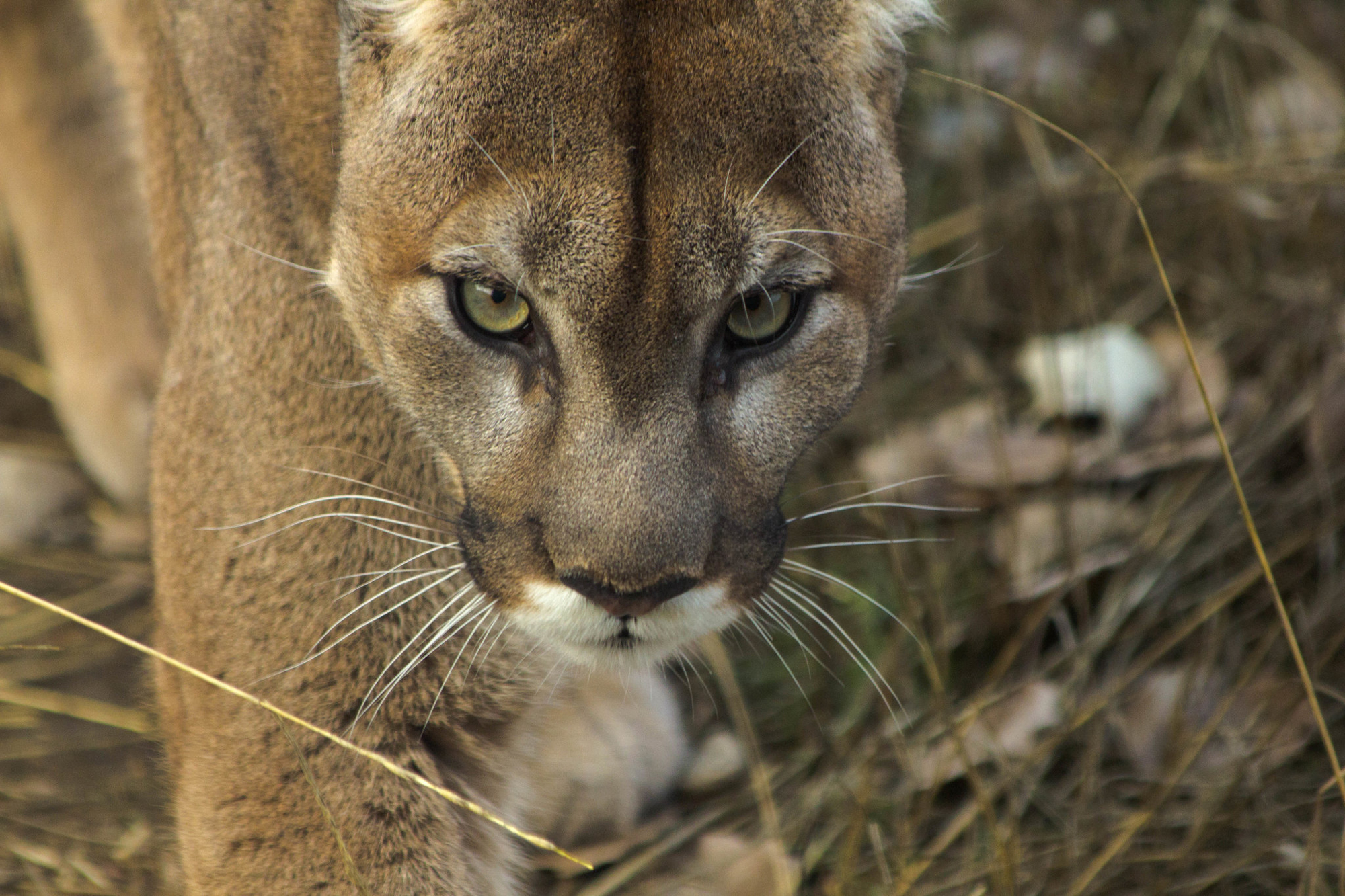
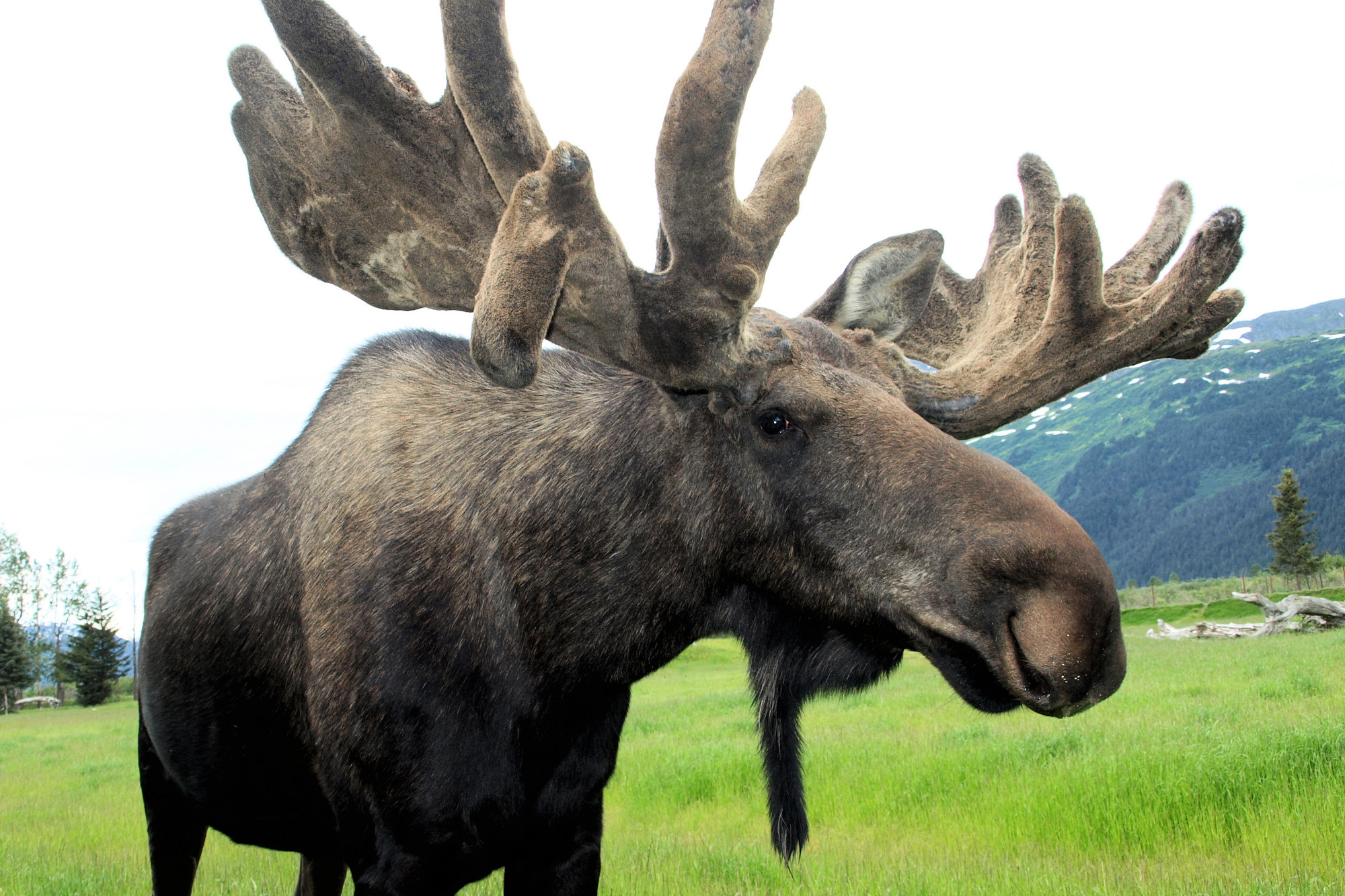
Canada is divided into 15 terrestrial and five marine ecozones. These ecozones encompass over 80,000 classified species of Canadian wildlife, with an equal number yet to be formally recognized or discovered. Although Canada has a low percentage of endemic species compared to other countries, due to human activities, invasive species, and environmental issues in the country, there are currently more than 800 species at risk of being lost.
About 65 percent of Canada's resident species are considered "Secure". Over half of Canada's landscape is intact and relatively free of human development. The boreal forest of Canada is considered to be the largest intact forest on Earth, with approximately 3,000,000 km2 (1,200,000 sq mi) undisturbed by roads, cities or industry.[153
Approximately 12.1 percent of the nation's landmass and freshwater are conservation areas, including 11.4 percent designated as protected areas. Approximately 13.8 percent of its territorial waters are conserved, including 8.9 percent designated as protected areas. Canada's first National Park, Banff National Park established in 1885, spans 6,641 square kilometres (2,564 sq mi) of mountainous terrain, with many glaciers and ice fields, dense coniferous forest, and alpine landscapes.

Canada has a highly developed mixed-market economy, with the world's ninth-largest economy as of 2023, and a nominal GDP of approximately US$2.221 trillion. It is one of the world's largest trading nations, with a highly globalized economy. In 2021, Canadian trade in goods and services reached $2.016 trillion. Canada's exports totalled over $637 billion, while its imported goods were worth over $631 billion, of which approximately $391 billion originated from the United States. In 2018, Canada had a trade deficit in goods of $22 billion and a trade deficit in services of $25 billion. The Toronto Stock Exchange is the ninth-largest stock exchange in the world by market capitalization, listing over 1,500 companies with a combined market capitalization of over US$2 trillion. Canada has a strong cooperative banking sector, with the world's highest per-capita membership in credit unions. It ranks low in the Corruption Perceptions Index (14th in 2023) and "is widely regarded as among the least corrupt countries of the world". It ranks high in the Global Competitiveness Report (14th in 2019) and Global Innovation Index (15th in 2023). Among developed countries, Canada has an unusually important primary sector, of which the forestry and petroleum industries are the most prominent components. Many towns in northern Canada, where agriculture is difficult, are sustained by nearby mines or sources of timber.
Canada's economy ranks above most Western nations on The Heritage Foundation's Index of Economic Freedom and experiences a relatively low level of income disparity. The country's average household disposable income per capita is "well above" the OECD average. Canada ranks among the lowest of the most developed countries for housing affordability and foreign direct investment.
Since the early 20th century, the growth of Canada's manufacturing, mining, and service sectors has transformed the nation from a largely rural economy to an urbanized, industrial one. Like many other developed countries, the Canadian economy is dominated by the service industry, which employs about three-quarters of the country's workforce.